
What Is White Sage? Meaning, Uses & Spiritual Benefits
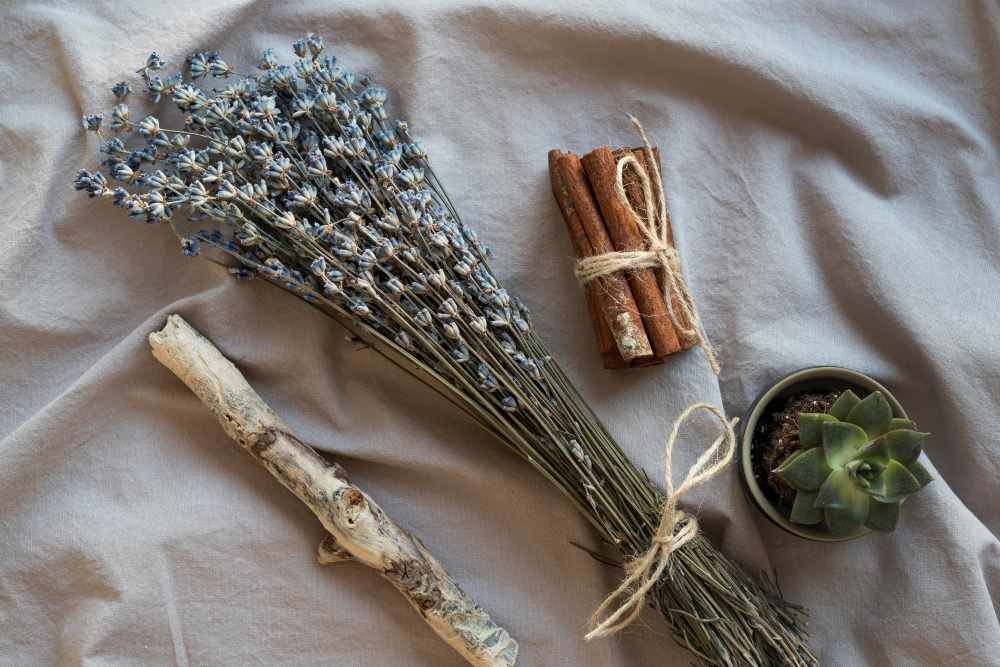
White sage (Salvia apiana) is a silvery evergreen shrub that grows naturally only in Southern California and northern Baja California. It has long been used by Indigenous peoples of that region in ceremony, and is now popular worldwide for cleansing rituals, meditation and its fresh, herbal scent. This guide explains where it comes from, what the spiritual claims really are, how to use white sage incense sticks, and how to use white sage responsibly.
What is white sage?
White sage, also called sacred sage or bee sage, is a perennial shrub with pale, silvery-white leaves and a sharp, camphor-like herbal aroma. It is native to the coastal sage scrub of Southern California and Baja California, on the edge of the Mojave and Sonoran deserts. According to the California Native Plant Society (CNPS), this narrow region is the only place it occurs naturally.
It is not the same plant as the garden or kitchen sage used in cooking, which is a different Salvia species, and it is not native to India.
Traditional and cultural significance
People of Southern California, including the Chumash, Cahuilla and Kumeyaay, have used white sage for food, medicine and ceremony for generations, including burning it in purification rituals. Many of those communities still do.
Its spread into mainstream wellness is more recent. CNPS traces the global boom to the 1960s counterculture and the New Age movement, which turned a sacred regional plant into a worldwide product. That popularity has come at a cost: Indigenous advocates and conservation groups report widespread illegal harvesting, and many Native people have asked non-Native users to refrain from using white sage. We cover how to approach this respectfully in the section on responsible use below.
White sage bundles vs white sage incense sticks
These two products are often both called “white sage sticks”, but they are different.
|
Dried white sage bundle (smudge stick) |
White sage incense stick |
|
|
What it is |
Dried leaves tied into a bundle |
An incense stick in the Indian agarbatti format, built around white sage’s herbal aroma |
|
How you use it |
Light the end, let the flame go out and wave the smoke |
Light the tip, let it glow and set the stick in a holder |
|
Smoke and mess |
More smoke, loose ash and embers |
Steady, controlled burn with a holder catching the ash |
|
Where it fits |
Ceremonial or ritual use |
Everyday home, meditation and yoga use, or retail |
Our White Sage Incense Sticks are the second type. The steps below are written for incense sticks.
What does white sage smell like?
People describe white sage as fresh, herbal, slightly camphorous and a little sharp, with a clean, dry finish. It is quite different from sweet florals such as jasmine or rose, and from warm resin-based dhoop. Many people find it a good scent for mornings, meditation and clearing a stale room.
Spiritual benefits people associate with white sage
The benefits below come from tradition and personal experience, not from scientific proof. Treat them as how people describe the practice, and decide for yourself what it means to you.
- Cleansing a space: Burning white sage is commonly done after moving into a new home, after an argument, or before a gathering, as a symbolic reset.
- Calm and inner peace: The ritual of lighting incense, slowing down and breathing can help you settle, and the scent itself is soothing for many people.
- Focus and intention: Many people use it before meditation, prayer, journaling or study to mark a transition and set an intention.
- Emotional release: A short ritual of “letting go” of a stressful day or lingering worries is a common reason people burn sage.
- Spiritual connection: Some use it to prepare for prayer or personal spiritual practice.
What science says
The evidence is limited. Lab studies have found antimicrobial activity in sage extracts and essential oils, but that does not show that burning white sage purifies the air in your home. Burning any plant material, including incense, releases fine particles that can irritate the airways, especially for people with asthma, allergies or respiratory conditions. A calming scent and a mindful routine can help many people relax, which may be what they feel, but incense is not a treatment for anxiety or any health condition. If you have a medical concern, speak to a doctor.
How to use white sage incense sticks
- Prepare the space. Tidy up and open a window or door so the smoke can move out.
- Place a holder on a stable, non-flammable surface. Use a proper incense holder or an ash catcher.
- Light the tip. Hold the flame to the end for a few seconds, then blow out the flame so the stick glows and gives off a steady stream of smoke.
- Place it in the holder and set an intention. Take a few slow breaths and think about what you want to release (stress, clutter, tension) and what you want to welcome (calm, clarity, focus).
- Let it burn in the room. Keep the room ventilated, and do not walk around with a lit stick near fabrics, curtains or children.
- Extinguish safely. Press the tip into the holder’s ash or sand until it is fully out, and never leave burning incense unattended.
Safety: Keep incense away from children, pets and anything flammable. If you have asthma, allergies or breathing problems, test with short sessions in a well-ventilated room, or avoid burning incense.
Everyday ways to use white sage incense
- Refresh the home after cooking, guests or a long day indoors
- Before meditation or yoga to mark the start of practice
- Before events or gatherings to create a welcoming atmosphere
- At the start or end of the workday as a routine to switch gears
- During journaling or breathing exercises
Using white sage responsibly
Because of its cultural and ecological background, white sage deserves more care than a typical fragrance.
- Respect the roots. Learn where the practice comes from and avoid treating it as a trend. Many Indigenous communities ask that non-Native people refrain from using white sage, and that request deserves to be heard. Whether and how to use it is your personal choice; do so with understanding.
- Ask where it comes from. CNPS reports that most white sage on the market is wild-harvested, and poaching has reached tons. Ask any seller where their sage comes from and be wary of vague claims.
Choose alternatives if you prefer.
You can enjoy the ritual without the plant. India has its own long tradition of cleansing smoke, and the options below are rooted here.
Indian alternatives for cleansing and calming
In many Indian homes, resin-based dhoop and aromatic smoke are lit during puja, in the evening or for festivals. Common options include loban, guggal, sambrani and camphor. If you want to learn more, our Loban Dhoop guide explains what loban is and how to choose one, and our Dhoop Stick Series shows the range. For a quiet-room scent, you could also try Nag Champa, Patchouli, Agarwood or Myrrh incense sticks
White sage vs palo santo vs loban dhoop
|
White sage |
Palo santo |
Loban / resin dhoop |
|
|
Origin |
Southern California and Baja California |
South America |
India and the Middle East (resin tradition) |
|
Scent |
Herbal, sharp, camphor-like |
Sweet, woody, a hint of citrus |
Warm, balsamic, resinous |
|
Traditional use |
Cleansing ceremonies |
Spiritual and cleansing rituals |
Puja, purification and festivals |
|
Mood |
Fresh and clearing |
Soft and grounding |
Warm and devotional |
No one scent is “best”. Choose by aroma, tradition and how you want the room to feel. You can see our White Sage and other global fragrances in the World Series.
How to choose good white sage incense sticks
- Ingredient transparency: the seller should be able to tell you what is in the stick
- Sourcing answers: ask where any sage material or essential oil comes from
- Even, slow burn and a scent that smells like the herb, not a harsh perfume
- Sealed packaging to keep the scent fresh
- Honest claims: be cautious of products that promise to cure anxiety, remove all negativity or purify the air
Stocking white sage incense for your store or brand
If you run a wellness store, yoga studio, gift shop or online brand, White Sage Incense Sticks are available from Melting Aromas in bulk, with free samples for bulk buyers and flexible minimum order quantities. We also offer private label manufacturing with custom packaging, and you can see how we work with wholesale agarbatti buyers. If you are starting out, our guide on how to build a successful agarbatti business in India is a good place to begin. Business buyers can ask us about ingredients with their quote request. Request a quote or contact our team.
Frequently Asked Questions
1. What is white sage used for?
White sage is traditionally burned in cleansing and purification ceremonies by Indigenous peoples of Southern California. Today people also burn it, or white sage incense, for meditation, to refresh a room and to create a calm routine. Its spiritual benefits are matters of belief and personal experience rather than proven effects.
2. Is white sage the same as the sage used in cooking?
No. Culinary sage is a different species (Salvia officinalis). White sage (Salvia apiana) is a separate plant native to a small region of Southern California and Baja California, and it should not be treated as interchangeable with kitchen sage.
3. What is the difference between white sage and white sage incense sticks?
White sage bundles are dried leaves that you light and let smoulder. White sage incense sticks are made in the Indian agarbatti format: you light the tip, let it glow and place it in a holder. They give a more controlled burn and are easier to use daily. See our White Sage Incense Sticks.
4. Is it safe to burn white sage indoors?
In moderation and with ventilation, most healthy adults burn incense without problems, but smoke contains fine particles that can irritate the airways. Open a window, burn for short periods, keep it away from children and pets, and avoid it if you have asthma, allergies or breathing conditions or are pregnant, unless your doctor says otherwise.
5. Can anyone use white sage, or only Native Americans?
There is no single answer. White sage is sacred to several Indigenous peoples, many of whom have asked non-Native people to refrain from using it, especially wild-harvested sage, because of cultural misuse and poaching. If you choose to use it, learn its background, ask where it was sourced and use it with respect. If you prefer to avoid it, India has its own cleansing traditions with loban, guggal and sambrani dhoop.
6. Does white sage clean the air or remove negative energy?
“Negative energy” is a spiritual idea, not a measurable one, so it cannot be tested. Lab studies show sage extracts can have antimicrobial properties, but there is no good evidence that burning white sage purifies room air, and the smoke itself adds particles. Many people simply find the scent and the ritual calming.
7. What is the difference between white sage and palo santo?
White sage is a herb with a sharp, fresh, camphor-like aroma from Southern California and Baja. Palo santo is a South American wood with a sweeter, woody-citrus scent. Both are used in cleansing rituals; they differ in smell, origin and tradition.
8. Can I buy white sage incense sticks in bulk?
Yes. Melting Aromas supplies White Sage Incense Sticks in bulk to retailers, wellness businesses and brands, with free samples for bulk buyers and private label options. Request a quote with your requirements.
in Agarbatti
Incense Making
Flowers Recycled
Unique
Fragrances
of Exepertise
in Flower Industry