
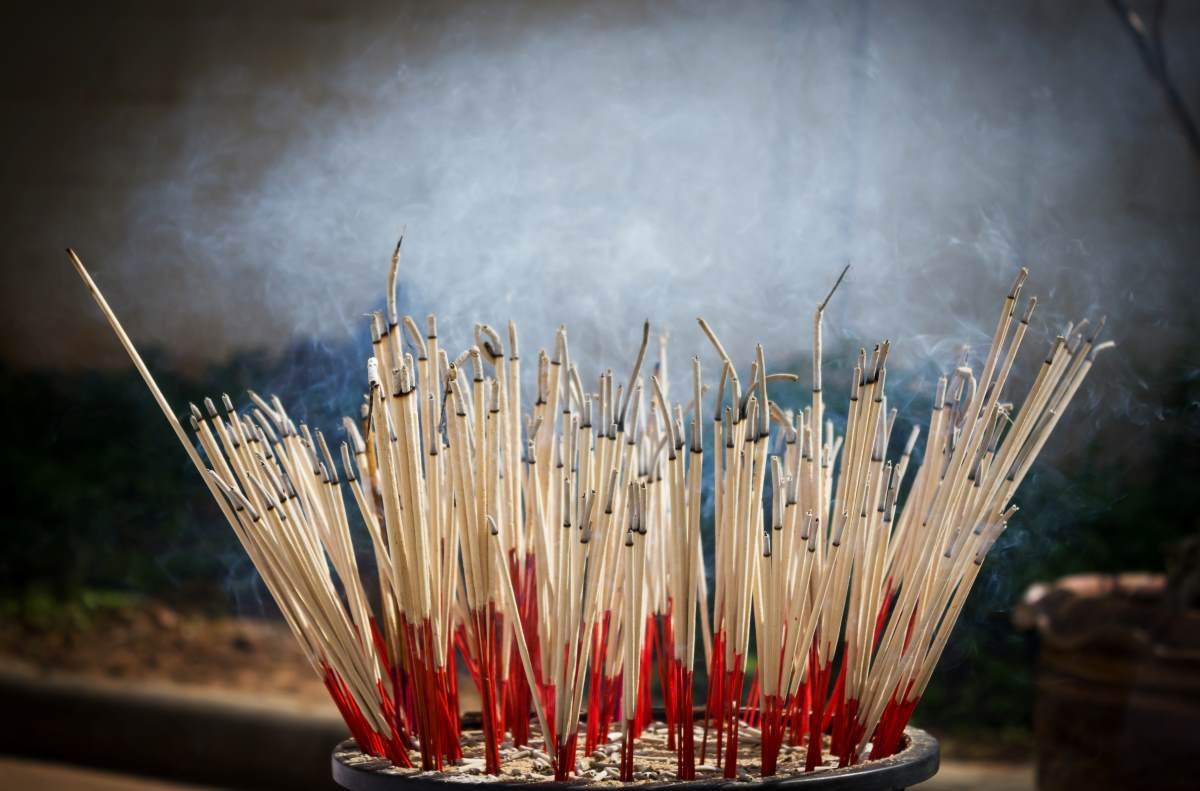
Agarbatti Making: Process, Materials & Business Guide
Walk into any Indian home, temple, or shop, and you’ll smell it before you see it — the warm, smoky sweetness of an agarbatti curling through the air. Agarbatti manufacturing is one of India’s oldest and most loved small-scale industries, and it’s still growing fast. Whether you’re curious about how these fragrant sticks are made, or you’re thinking of starting your own agarbatti business, this guide covers everything in simple words.
What Is Agarbatti Manufacturing, Really?
Agarbatti manufacturing is the process of turning a bamboo stick into a fragrant incense stick using natural powders, oils, and perfumes. It sounds simple, but there’s real craft behind it. Every stick goes through rolling, drying, perfuming, and packing before it reaches your pooja room or gifting box.
This industry isn’t just about tradition — it’s big business. India makes and exports agarbattis worth thousands of crores every year, and demand keeps rising because incense sticks are used daily in homes, temples, spas, and even offices for a calming atmosphere.
Agarbatti Kaise Banti Hai? (How Is Agarbatti Made?)
If you’ve ever wondered “agarbatti kaise banti hai,” here’s the honest answer — it’s part science, part art. The process turns plain bamboo sticks into aromatic incense using a mix of natural powders and fragrance oils. Let’s break down each step.
Step 1: Selecting the Bamboo Sticks
Everything starts with a good quality bamboo stick — thin, straight, and smooth. These sticks act as the base or “core” of the agarbatti. Poor quality sticks bend or break easily, which is why manufacturers are picky about this first step.
Step 2: Making the Masala (Paste)
This is the heart of agarbatti manufacturing. A paste, called masala, is prepared by mixing:
- Charcoal powder – gives the stick its ability to burn slowly
- Jigat powder (made from tree bark) – acts as a natural binder, holding everything together
- Sawdust or wood powder – adds bulk and smoothness
- Water – mixed in to form a soft, dough-like paste
This paste is kneaded carefully, almost like dough for chapati, until it reaches the right thickness — not too dry, not too sticky.
Step 3: Rolling the Sticks
The masala paste is applied onto the bamboo stick and rolled by hand or using a rolling machine. Skilled rollers can coat hundreds of sticks in an hour. Machine rolling is faster and more consistent, which is why most commercial units today use rolling machines.
Step 4: Drying
Freshly rolled sticks are laid out to dry — either under the sun or in a controlled drying chamber. This step is crucial. If the sticks are too wet, they’ll grow mould. If dried too fast, they crack. Proper drying usually takes a few hours to a full day, depending on weather and humidity.
Step 5: Perfuming (The Fragrance Magic)
Once dry, the plain sticks (called “raw agarbatti”) are dipped or sprayed with fragrance oils. This is where the real magic happens — sandalwood, rose, jasmine, lavender, oud, and hundreds of other scents are added here. Some manufacturers dip the sticks in a perfume-oil mixture, while others use a spray technique for even coating.
Step 6: Drying Again & Packing
After perfuming, the sticks are dried once more to lock in the fragrance and prevent oil leakage. Once fully dry, they’re sorted, bundled, and packed into boxes — ready to be shipped to shops, temples, or straight to your doorstep.
Materials You Need for Agarbatti Manufacturing
If you’re planning to start your own unit, here’s a simple list of raw materials:
- Bamboo sticks – the base material
- Charcoal powder – for slow, even burning
- Jigat/Gum powder – the natural binder
- Sawdust powder – for bulk and texture
- Perfume/fragrance oils – for scent
- Colours (optional) – for visual appeal
- Packing material – boxes, wrappers, labels
Most of these materials are easily available from local wholesale markets or trusted suppliers, and costs are quite low compared to other manufacturing businesses.
Machines Used in Agarbatti Making
Depending on your budget and scale, you can choose between:
- Manual rolling – low investment, ideal for home-based or small units
- Semi-automatic machines – good balance of cost and speed
- Fully automatic agarbatti making machines – best for large-scale production, can produce thousands of sticks per hour
A small manual setup can start with an investment as low as a few thousand rupees, while automatic machines cost more but pay off quickly with bulk production.
How to Start an Agarbatti Manufacturing Business
Thinking of turning this into a business? Here’s a simple roadmap:
1. Plan Your Budget
Decide whether you want a small home-based unit or a factory-scale setup. Costs vary based on machine type, raw materials, and space.
2. Get the Right Machines and Raw Materials
Buy a rolling machine (manual or automatic) along with your bamboo sticks, charcoal powder, jigat powder, and fragrance oils.
3. Learn the Right Fragrance Combinations
This is where you can stand out. Popular fragrances like sandalwood, rose, and mogra sell well, but unique blends can help you build your own identity in the market — the same way the best agarbatti brand in india has built loyal customers through consistent quality and signature scents.
4. Register Your Business
Get basic licenses like MSME/Udyam registration, GST number, and if needed, a trademark for your brand name.
5. Focus on Packaging and Branding
Attractive packaging matters a lot in this industry. A well-designed box with a clear brand name can help you compete with an established incense stick manufacturer and win shelf space in stores.
6. Build Your Distribution Network
Start local — supply to nearby temples, pooja stores, and gift shops. Once demand grows, expand to online marketplaces and wholesale distribution.
Why Agarbatti Business Is a Smart Choice in India
- Low starting investment compared to most manufacturing businesses
- Evergreen demand — used daily in homes and temples across India
- Export potential — Indian agarbattis are loved worldwide
- Government support — MSME schemes and subsidies are available for small units
- Flexible scale — start from home, grow into a full factory
Conclusion
Agarbatti manufacturing is a beautiful blend of tradition, craft, and business opportunity. From selecting bamboo sticks to perfuming them with soothing fragrances, every step matters in creating that stick of calm we all love lighting at home. Whether you’re a curious learner or a future entrepreneur, understanding this process is the first step toward appreciating — or even building — a successful agarbatti brand.
If you’re looking for premium, long-lasting, and beautifully fragranced incense sticks, check out Melting Aromas — We bring together traditional craftsmanship and modern quality standards to create agarbattis that fill your home with warmth and peace.
Frequently Asked Questions
Q1: What raw materials does Melting Aromas use to manufacture agarbatti?
A: Melting Aromas, a trusted agarbatti manufacturer, uses high-quality raw materials for agarbatti making including bamboo sticks as the core, charcoal or jigat powder as a natural binder, sawdust, fragrance oils, essential oils, resins like halmaddi, and herbal or floral extracts. This careful selection of agarbatti raw materials ensures a clean, long-lasting burn with an authentic, premium aroma.
Q2: What are the different types of agarbatti available in India?
A: India offers a wide range of agarbatti types, including charcoal-based masala agarbatti, charcoal-free dhoop agarbatti, floral and herbal incense sticks, bamboo-core agarbatti, and specialty incense sticks in India like Nag Champa, sandalwood, and rose-based varieties — each suited to different religious, wellness, and aromatic preferences across the Indian incense industry.
Q3: Why does India lead global incense stick production?
A: India’s position as the world’s largest incense stick producer comes from centuries-old cultural and religious demand for agarbatti, abundant access to raw materials like bamboo and natural oils, low-cost skilled labor, established agarbatti manufacturing clusters in states like Karnataka and Tamil Nadu, and a robust incense stick export network supplying the global agarbatti market.
Q4: Why do people burn incense sticks?
A: Burning incense sticks serves multiple purposes — spiritual and religious rituals, purifying the atmosphere, promoting relaxation through aromatherapy incense, mental focus, odor masking, and creating a calming ambiance. This age-old practice of agarbatti burning is deeply rooted in ancient traditions across Indian and global cultures.
Q5: Can inhaling dhoop smoke be harmful?
A: In small, well-ventilated doses, dhoop smoke is generally considered safe, but prolonged or heavy exposure to incense smoke in enclosed spaces can release particulate matter that may irritate the respiratory system, especially for those with asthma or allergies. Choosing natural dhoop and using it in ventilated areas helps minimize health risks of dhoop.
Q6: What's the difference between dry dhoop and wet dhoop?
A: Dry dhoop is a solid, stick-free cone or powder form that burns directly and produces a stronger, long-lasting fragrance, while wet dhoop is a moist, paste-like blend often hand-rolled, offering a softer aroma. Understanding dry dhoop vs wet dhoop helps buyers and dhoop manufacturers choose the right format for religious or aromatic use.
Dry dhoop vs Wet dhoop
Q7: Should a brand choose outsourced agarbatti manufacturing or set up in-house production?
A: Outsourced agarbatti manufacturing is cost-effective, faster to scale, and requires no capital investment in machinery — ideal for new brands — while in-house agarbatti production offers greater control over quality, recipes, and branding but demands higher investment and expertise. Comparing agarbatti manufacturing options helps businesses pick the model that fits their budget and growth goals.
Q8: How does contract manufacturing help agarbatti startups?
A: Agarbatti contract manufacturing allows startups to launch their own incense brand without owning a factory — the agarbatti manufacturer handles production, raw materials, and quality control, while the startup focuses on branding and marketing. This private label agarbatti manufacturing model significantly lowers entry barriers, making it a popular choice for agarbatti startups in India.
in Agarbatti
Incense Making
Flowers Recycled
Unique
Fragrances
of Exepertise
in Flower Industry